
Fercioni Tattoo studio e museo
For those who cannot find words, there are those who write on the body. Silent messages. Since 1970.
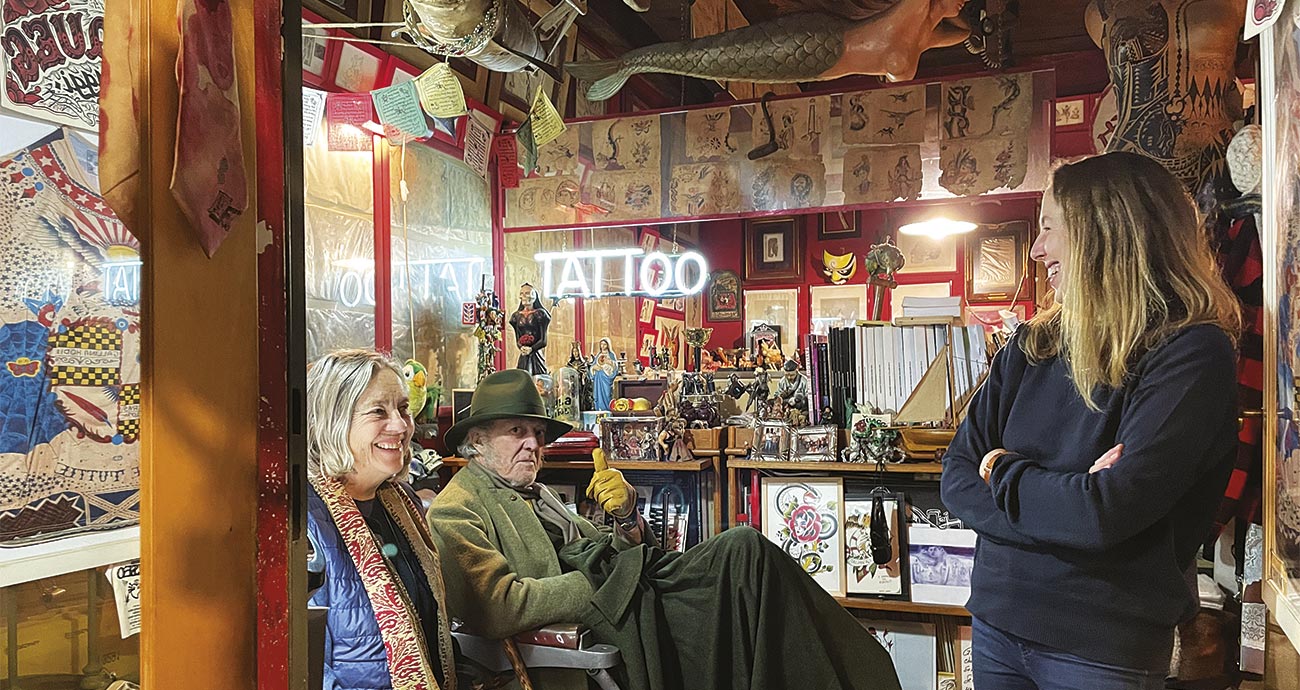
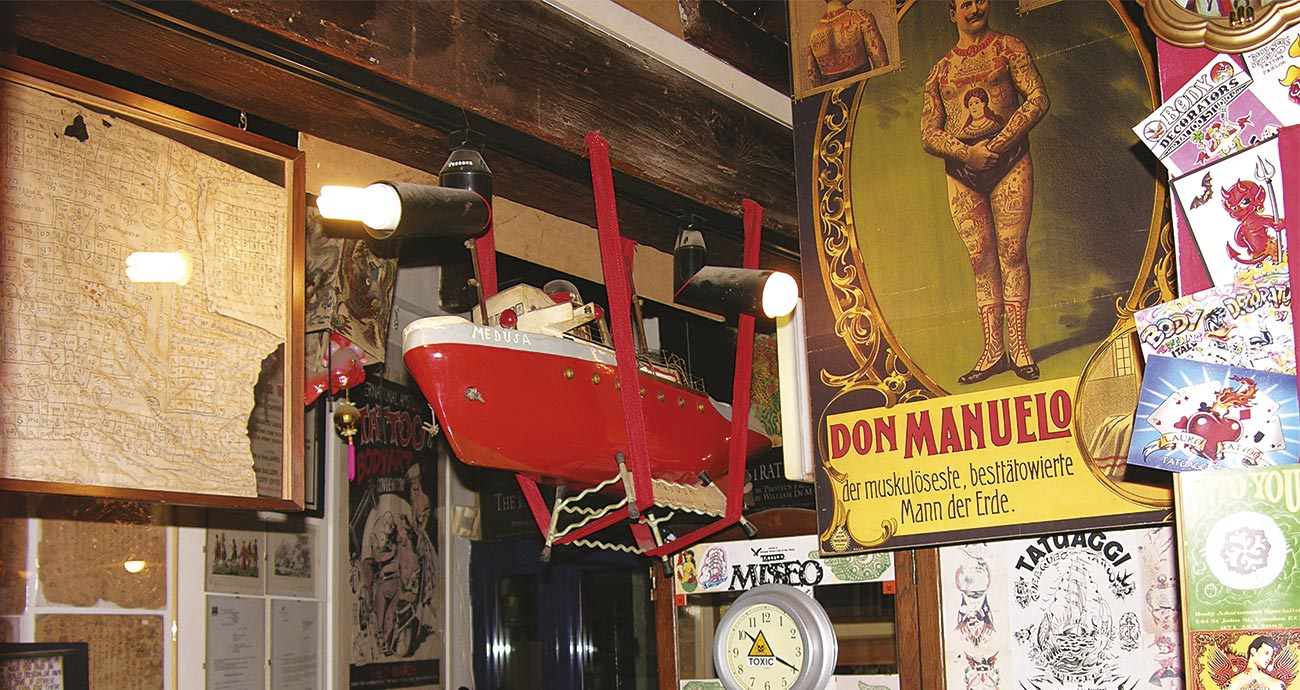
Figures from the worlds of entertainment and sport, members of the aristocracy and Italy’s upper bourgeoisie – even the most unexpected entrepreneurs – have, over the years, been unable to resist the allure of a tattoo bearing the signature of Gianmaurizio Fercioni.
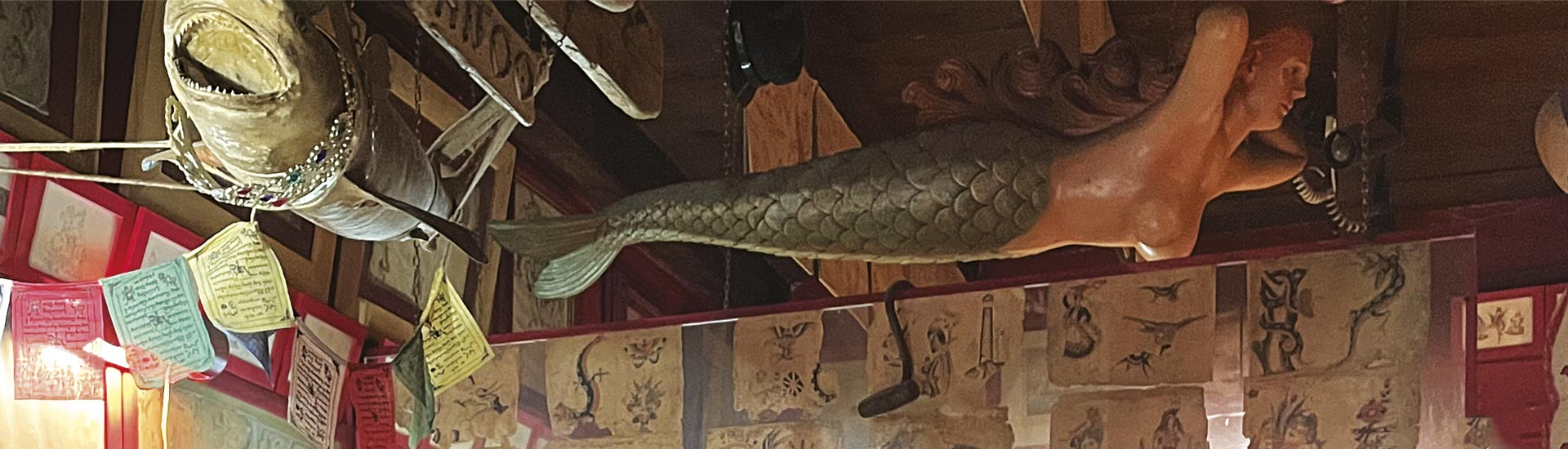
The soul of the Queequeg Tattoo Studio, founded in the Brera area in 1970, he moved in April 2000 to Via Mercato 16 under a new sign: Tattoo Studio and Museum. Born in Milan in 1946 and recently passed away, Fercioni was one of the leading set designers of Milanese theatre. He created thousands of tattoos, working both with electric machines and by hand using the traditional Japanese technique he learned from the great master Horiyoshi III during a stay in Japan. Today, his studio – one of the last surviving examples of the earliest tattoo shops in the Western world – remains active thanks to his daughter Olivia, who carries forward the traditional tattoo style alongside the creation of custom designs tailored to clients’ requests. The museum houses a historical and anthropological collection of tools, drawings, books, photographs, and objects related to the world of tattooing across the centuries. It was curated by Luisa Gnecchi Ruscone, author of several books on the history of this art and organizer of exhibitions on the subject. Here, visitors can admire everything connected to tattooing: modern and primitive tools, original drawing plates from various parts of the world, period prints, and photographs of tattooed figures. The artistic challenge continues…