

Società del Giardino

Stuccoes, crystal and Olympic medals illuminate Milan’s Cultural Circle, among the oldest in the world. Since 1783.
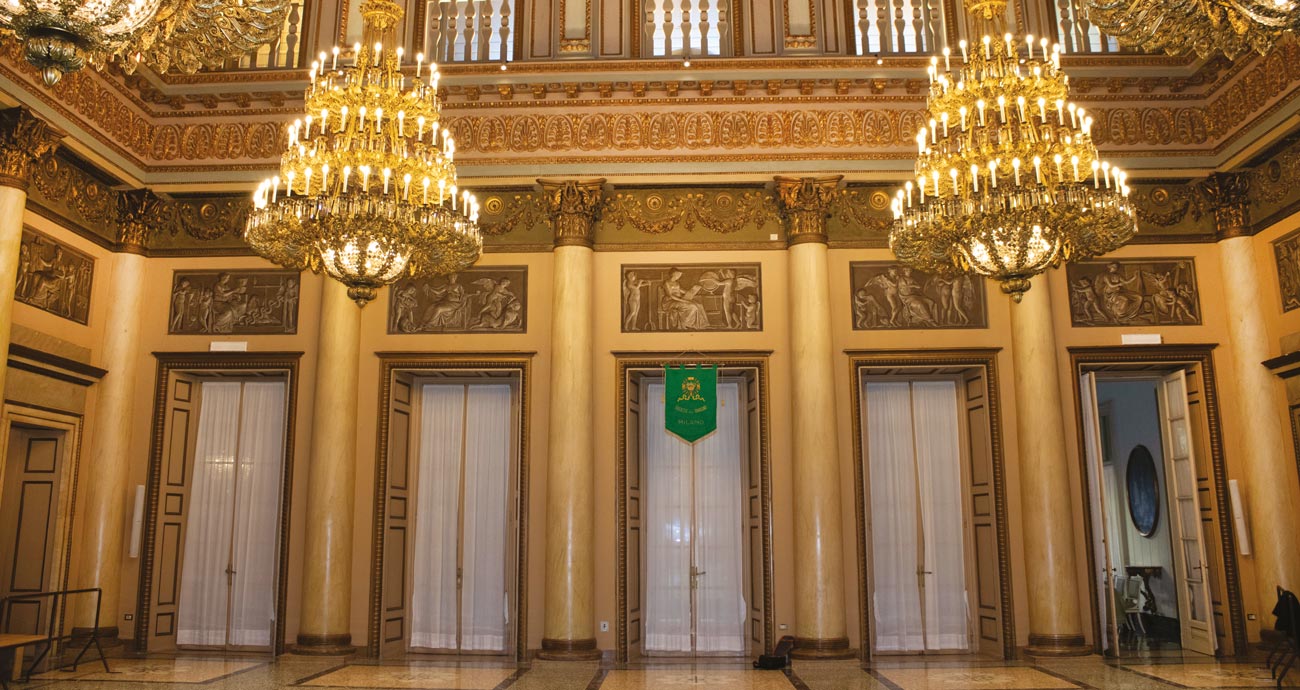
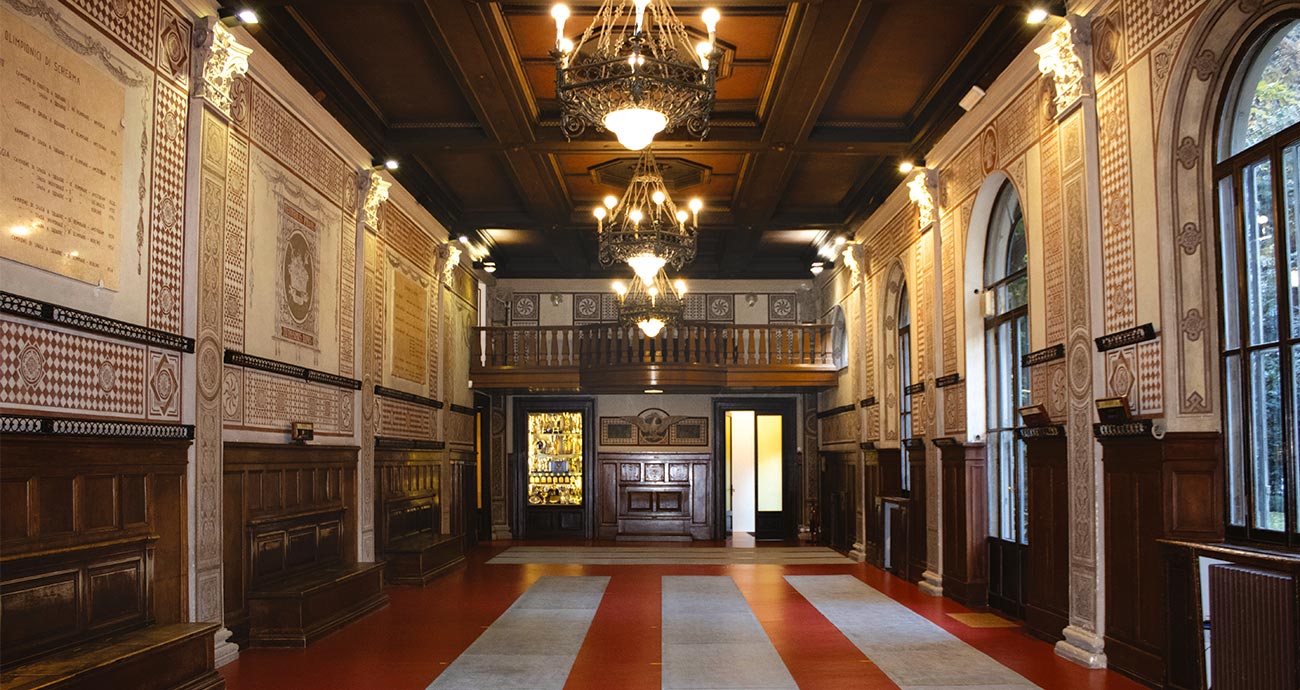
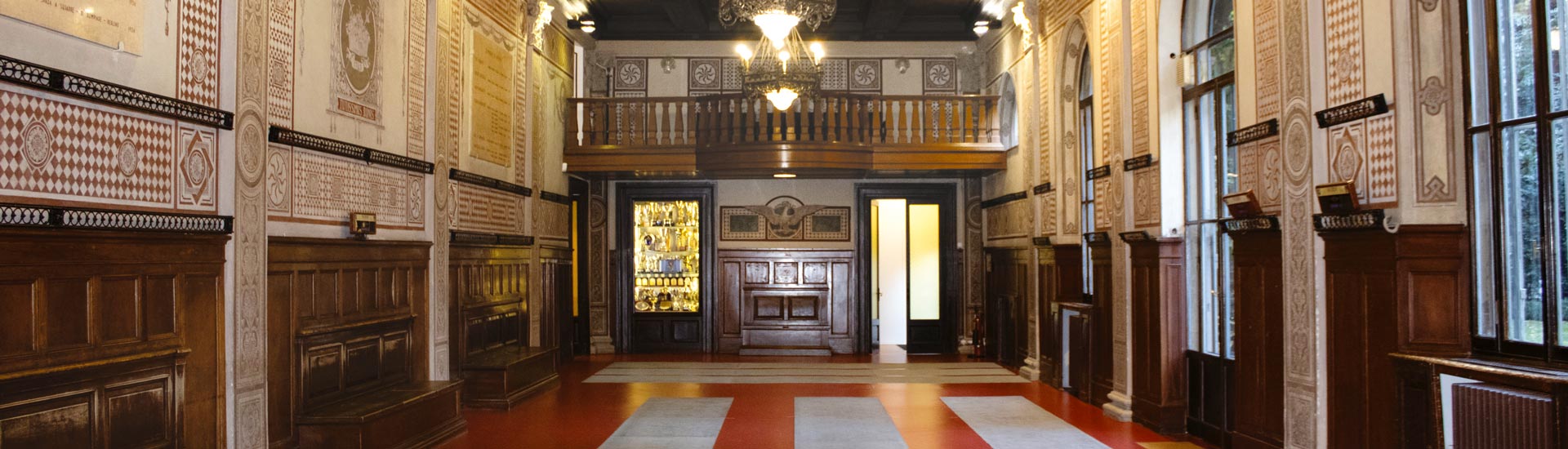
Società del Giardino was founded in 1783 by a group of thirty-two citizens of Milan under the leadership of its founding member and first President, Francesco Bolchini. Initially conceived as a club devoted to leisure and recreation, it gradually took on an increasingly cultural and institutional role. It is one of the ten oldest clubs in the world and has remained continuously active, even during the Italian Wars of Independence and the two World Wars. The only period of closure occurred in 1853, during the Milan uprising. Over the years, many leading figures in Italian and international history have passed through its doors, both as members and as guests: kings, emperors, prime ministers, statesmen, cardinals, Nobel Prize winners, and prominent figures from the worlds of science, art, and culture. Its close ties with the diplomatic corps, the Armed Forces, the many reciprocal clubs in Italy and abroad, and local cultural institutions continue to make it an important point of reference for the city.The club is housed in Palazzo Spinola, sold by the Cusani family to the Society in 1819. In 1820, the Society inaugurated the magnificent neoclassical Salone d’Oro, which still hosts prestigious events today. In 1883, the Fencing Hall was inaugurated, and in 1920 it entered Italian sports history with the country’s first Olympic gold medal, won by Antonio Allocchio in the team épée at the Antwerp Games. This marked the beginning of a long Olympic tradition: 29 gold medals, 17 silver, and 11 bronze, achieved above all thanks to the outstanding Edoardo Mangiarotti. Today, the club welcomes around 200 athletes of all ages and plays a significant role in the sporting and educational development of young fencers. In recognition of its sporting achievements, in 1997 CONI awarded the Fencing Hall of the Società del Giardino the first-ever Gold Collar of Sporting Merit granted to a sports club.